
How to Protect Your Home: Practical Safety, Damage Prevention and Emergency Planning
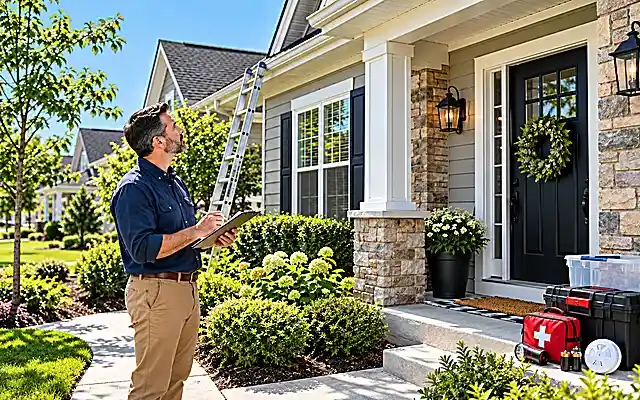
To learn how to protect your home, start by identifying hazards, prioritizing urgent safety concerns, taking preventive steps that are safe for you to perform, and preparing for emergencies before they happen. Look for warning signs involving water, fire, electricity, weather, security and access to exits. Record what you observe, decide when qualified help is necessary, and make a plan every household member can use. The right precautions depend on your property’s condition, location, ownership responsibilities and occupants. Home protection reduces some risks; it cannot eliminate every hazard or guarantee that damage will never occur.
This guide brings together home protection (practical safeguards) and property risk (recognizing, prioritizing, documenting and reassessing potential harm). It is a homeowner planning resource, not a substitute for emergency instructions, a professional inspection, insurance coverage, or a home-warranty contract. If there is immediate danger, prioritize getting people to safety and contact emergency services or the responsible utility from a safe place.
How to Protect Your Home: Start With the Risks That Matter Most
What home protection includes, and what it cannot guarantee
A useful approach has four connected parts:
- Identify: Notice visible damage, exposure and changes in the home or household.
- Prioritize: Separate immediate danger from problems needing a prompt professional assessment, planned prevention or monitoring.
- Act safely: Use simple precautions within your abilities; leave hazardous systems, heights, contamination and structural work to qualified people.
- Prepare and document: Make a hazard-specific emergency plan, maintain usable records and revisit decisions as circumstances change.
For example, a slow-looking stain near a sink may call for a prompt plumbing assessment, while a repeated breaker trip accompanied by heat or burning smells calls for stopping use and obtaining qualified electrical help. Smoke or a sounding carbon-monoxide alarm calls for an immediate life-safety response, not a checklist session.
Home protection does not necessarily mean buying a home-warranty plan, security system or insurance product. Financial protection from a particular loss depends on a policy or contract; physical risk reduction and emergency preparation are different tasks.
Make a basic home-risk walk-through without pretending to perform an inspection
Begin only in areas you can see and reach safely. Notice signs of leaks near plumbing fixtures; whether doors and exits are unobstructed; the presence of smoke and carbon-monoxide alarms; exposed moisture; and outdoor objects that could move in a storm. From ground level, observe visible drainage problems or hanging branches without climbing roofs, ladders or trees. Record the date and location of a concern, using photographs only when conditions are safe.
Do not remove electrical panels, open gas equipment, enter an unstable structure, walk into floodwater, probe suspected asbestos or disturbed insulation, or attempt to diagnose hidden structural damage. An owner walk-through is not a certified home inspection, an engineering evaluation or a code-compliance assessment. If an issue cannot be evaluated safely, record what can be observed and identify the appropriate professional.
In a condominium or other shared-property arrangement, identify which systems belong to the owner and which may be controlled by the condominium association, landlord or common-area manager. Ownership arrangements can affect who is responsible for an inspection or repair, but should never delay evacuation from an immediate danger.
Sort findings into emergency, prompt assessment, planned prevention and monitoring
Use the following organizational urgency bands, not numerical risk scores or legal safety classifications:
| Priority | Meaning | Homeowner’s safe next move |
|---|---|---|
| Emergency: leave and call for help | Immediate threat to life or safe occupancy, such as an active fire, CO alarm, suspected gas release or dangerous structural condition | Leave the hazard area; call emergency services or the utility from safety; do not reenter until authorized |
| Prompt qualified assessment | A potentially serious problem with uncertain cause or consequences, such as repeated breaker trips or ongoing water intrusion | Stop using the affected equipment or area when appropriate; arrange a licensed or otherwise qualified professional review |
| Planned prevention | A controllable concern without signs of immediate danger, such as unsecured movable outdoor furniture | Schedule a safe action or appropriate service before conditions worsen |
| Monitor and document | A condition needing observation or confirmation, but without a current urgent warning | Record the condition and date; identify what change would trigger reassessment |
A homeowner’s guess is not a professional determination of structural, electrical, health or flood safety. The complete Home Risk-Priority Worksheet below turns these labels into a practical action record.
Recognize Warning Signs Before Small Problems Grow
Signs of active leaks, moisture and water intrusion
Possible warnings include new stains around ceilings or plumbing, warped or soft materials, peeling finishes, persistent condensation, musty odors, a dripping supply connection or unexplained pooling. A stain can remain after an old repair, so it does not establish the source of an active leak. Similarly, an odor does not reveal the type or extent of mold.
Track where you noticed the condition, whether it is spreading, whether a nearby appliance or fixture was in use, and whether any electrical equipment is close to the water. EPA explains that controlling moisture is central to preventing mold problems in the home. The cause of a recurrent or concealed leak may require professional diagnosis: EPA guidance on mold and moisture.
Possible electrical, heating and structural hazards
Pay particular attention to hot or discolored outlets, scorch marks, a burning smell, repeated circuit-breaker trips, damaged cords, unusual appliance or combustion-equipment behavior, a suspected gas odor, sudden movement in a structure or a widening crack accompanied by distortion or other signs of distress.
Do not determine severity by appearance alone. Stop using suspect equipment when you can do so safely. Do not open electrical panels, reset a repeatedly tripping breaker over and over, disconnect gas lines, attempt live wiring repairs or enter an area that may be unstable. If you smell gas or suspect an immediate hazard, leave and use emergency or gas-utility instructions from outside the building. Qualified electricians, gas technicians, engineers and local emergency personnel have different roles; contact the appropriate party for the specific concern.
Condos, older properties and households with accessibility needs
Age alone does not prove a home is unsafe, but older properties may have unfamiliar systems, previous alterations or inaccessible areas that need professional review. For a condo, communicate concerns involving shared roofs, walls, sprinkler systems or corridors to the responsible association or property manager while addressing immediate personal safety.
Consider occupants who may not hear an alarm, reach a door, use stairs independently or follow spoken directions quickly. Make accessible exit and communication arrangements in advance, including the realistic assistance available during an evacuation. Pets, children and temporary mobility limitations should also shape the plan. Do not assume a single escape route or alarm type works for every household.
Prevent Water Damage and Detect Leaks Early
Look for leakage and condensation in safely accessible places
Check visible areas around sinks, toilets, tubs, washing-machine connections, dishwashers, water heaters and basements or crawl-space entrances that are safe to approach. Look for moisture beneath fixtures, deteriorating accessible hoses, unusually persistent dampness and water collecting where it normally does not. Avoid moving heavy appliances, entering confined spaces or handling wet electrical equipment to complete a visual check.
A practical example: if the cabinet under a kitchen sink develops a fresh stain, note the date, take a photograph if safe and arrange prompt evaluation of the connection or fixture. Do not assume the cabinet damage is the only affected area. If water is near a socket or appliance, keep clear and seek qualified assistance before touching equipment.
Reduce avoidable water entry from roofs, gutters and drainage
Observe gutters, downspouts, ground drainage and visibly displaced roof materials from a safe ground-level vantage point. Rainwater directed toward the foundation, standing water near entrances or recurring ceiling stains can justify professional inspection or drainage advice.
Do not climb onto a roof or trim trees near power lines to investigate. The appropriate solution depends on the building, drainage rights, property boundaries and local conditions; a contractor, roofer, qualified drainage professional or association may need to assess it. This is risk-focused observation rather than a complete seasonal maintenance schedule.
Know whom to call and where a safe water shutoff is located
Locate the labeled household water shutoff if it is accessible without entering a dangerous area. Write down the plumbing contact and where the valve is, so household members know whom to contact during a leak. Ask a plumber to demonstrate the safe operation of an unfamiliar valve when conditions are normal. Never force a seized or damaged valve, enter standing water that may be energized or handle wet electrical controls.
When an active leak is beyond a safe response, move people away from danger and call a qualified plumber, utility or emergency service as warranted. A shutoff can limit some clean-water leaks, but it cannot resolve every kind of water intrusion.
When intrusion, mold or flooding is already present
First determine whether it is safe to remain, approach or reenter. Floodwater may contain contamination and conceal electrical or structural hazards, so a flooded building is not the same as a small, isolated plumbing drip. Follow local evacuation and reentry directions, do not operate wet electrical systems and obtain qualified assistance before entering uncertain conditions. EPA’s flooded-home safety resource describes hazards and cleanup planning.
For moisture problems that are safe to approach, arrange to stop the water source promptly, record visible conditions and obtain suitable restoration advice. Do not assume widespread mold contamination, sewage exposure or damaged building materials are suitable for unsupervised DIY cleanup. If you are unsure whether the area is safe, keep away and seek professional advice.
Reduce Fire and Carbon-Monoxide Risks
Place and test smoke alarms
The U.S. Fire Administration recommends smoke alarms inside every bedroom, outside sleeping areas and on every level, including the basement. It recommends testing smoke alarms monthly and replacing units when they reach the age specified in its guidance, generally ten years from manufacture for standard smoke alarms. Confirm the manufacturer’s instructions, product type and applicable local requirements; hardwired installation is work for a qualified electrician. See the U.S. Fire Administration’s smoke-alarm guidance.
Interconnected alarms and appropriate alerting devices for people who are deaf or hard of hearing may help everyone receive a warning. A missing, disabled or out-of-date alarm is a priority to address, but installing an alarm does not make a building fireproof.
Install and maintain carbon-monoxide alerts
Carbon monoxide (CO) is an odorless, colorless gas associated with fuel-burning equipment and engines. The U.S. Fire Administration recommends CO alarms outside each separate sleeping area and on every level of the home. Follow device-specific testing, battery and replacement instructions and applicable local rules: USFA carbon-monoxide guidance.
Have gas, oil or other fuel-burning heating equipment serviced by qualified technicians. CDC describes prevention measures and notes that symptoms can resemble common illnesses, so do not rely on smell or symptoms alone to identify CO: CDC carbon-monoxide information. A CO alarm is not a substitute for a smoke alarm or a gas-leak detector.
Act immediately when a smoke or CO alarm sounds
Treat a suspected fire or CO event as an emergency. Follow the applicable escape route, get everyone outside to safety, contact emergency services and do not reenter until responders authorize it. If someone has symptoms of possible CO exposure, tell emergency personnel and seek urgent medical attention. Do not search for the source of CO, investigate a suspected gas leak inside the home or silence an emergency alarm in order to keep using the equipment.
Reduce everyday cooking, electrical, laundry and heating hazards
Give cooking your attention; keep combustibles away from active heat and use appliances as their manufacturers intend. Avoid damaged cords, overloaded extensions, blocked heating clearances and unsafe storage near heat sources. Do not disable safety devices or improvise electrical repairs. Keep dryer venting and combustion-appliance ventilation concerns on your qualified-service list when they are inaccessible or may be hazardous.
These habits reduce avoidable exposures but cannot replace a professional assessment of suspect wiring, gas connections or equipment. The purpose is to recognize trouble before attempting something dangerous.
Make and practice a home fire-escape plan
Identify two ways out of each room where the building layout allows, agree on a safe outdoor meeting place and plan how to alert and assist household members. Practice leaving without stopping to collect possessions; discuss how children, visitors, pets and people with mobility or hearing needs will receive assistance. Never plan to return into a burning building for a pet or item. Review USFA home fire escape planning and tailor the instructions to the actual structure and local fire service guidance.
Prepare the Property for Storms and Disruptions
Follow local forecasts, warnings and evacuation instructions
Identify the alerts issued by your local emergency management agency and the National Weather Service before severe weather arrives. A weather watch and warning may call for different actions; check the specific hazard’s instructions rather than treating all notifications alike. The National Weather Service preparedness hub offers hazard-specific readiness resources.
Know where you would obtain information if power or internet access fails. Local evacuation orders, official road closures and emergency responders take precedence over general homeowner guidance. This article does not rate counties, predict a property’s flood probability or compare geographic risk levels.
Secure movable items and recognize exterior concerns from a safe position
Before severe weather, and only while conditions are safe, bring in or secure light outdoor furniture, bins and other loose items. From ground level, notice damaged exterior openings, loose materials or tree limbs near the home. If a roof, unstable tree or overhead electrical line needs work, ask an appropriate qualified contractor, arborist or utility; do not climb, cut or enter the hazard area yourself.
Protection needs vary with dwelling type and local rules. A condominium owner may need to coordinate common-area measures with an association rather than attempting exterior changes independently.
Decide between sheltering and evacuation by the actual hazard
A safe response to one danger can be unsafe for another. During a tornado warning, official guidance may direct people toward a basement or small interior room away from windows; during rising water, lower areas can be dangerous. Wildfire evacuations may require leaving ahead of advancing fire, while some storms involve temporary indoor shelter. Use the specific instructions of local emergency officials and the hazard-specific guidance, including the NWS tornado safety recommendations.
Choose a primary and alternate destination appropriate for the relevant emergency, and identify how every household member will travel there. Never stay behind merely because you have installed protection products or recently made repairs.
Power outages, generators and floodwater: strict safety boundaries
Never operate a gasoline, propane or other fuel-powered generator in a home, garage, basement or near openings. If a generator is used at all, follow the manufacturer’s instructions and the CDC’s outdoor generator precautions. Do not connect a generator to household wiring without a professionally installed code-compliant transfer arrangement.
Stay out of floodwater and flooded spaces where electrical, contamination or structural hazards may exist. Do not restore power to wet equipment, enter damaged buildings against official guidance or touch downed wires. If evacuation is ordered, leave by the directed route rather than attempting property repairs.
Make Your Home Safer From Unauthorized Entry
Strengthen everyday physical access without promising perfect security
Check whether exterior doors and windows close and lock as intended, whether household members can exit quickly in an emergency, and whether unused access credentials or shared codes should be changed. Consider appropriate lighting and visibility near entrances without creating dangerous obstructions or exposing household routines. Report signs of forced entry to the police from a safe location.
A stronger lock or security device may address a particular vulnerability, but it cannot ensure that burglary or unauthorized entry will never occur. Balance security with safe evacuation and the needs of residents, tenants and visitors.
Protect connected cameras, routers and home accounts
If you use connected cameras or doorbells, change default credentials, use strong unique passwords, keep device and router software up to date, enable available account security features, and review who can view recordings. Secure sharing matters: a camera feed may reveal your household’s activities and private spaces. The FTC’s home security camera guidance explains these practical privacy precautions.
Check whether a device still receives security updates; avoid reusing passwords across smart-home accounts. Do not expose door codes or passwords in a shared emergency worksheet.
Match safeguards to real risks and household constraints
An apartment, detached home and townhouse may have different access points and common-area obligations. A person with limited mobility may need an accessible locking or entry arrangement. Prioritize measures that address a documented problem and do not compromise escape routes. Professional installation may be appropriate for hardware, wiring or monitored equipment; this guide does not rank camera brands, price security systems or provide installation tutorials.
Build an Emergency Plan Everyone Can Use
Choose contacts, meeting places and evacuation destinations
Decide whom residents will call, where they will meet outside the building and where they can reunite if the neighborhood is inaccessible. Choose an out-of-area contact because local communications may be disrupted. Make a primary and alternate plan, with arrangements for children, pets and residents who need assistance. Share the plan privately with the people who need it and check local emergency-management resources.
Emergency destinations must be specific to the hazard: for example, a low-lying meeting point may be unsuitable during flooding. If the household lives in a multifamily building, incorporate building-management and local fire-service evacuation instructions.
Assemble appropriate supplies and backup communications
Keep essential supplies in a location household members can reach safely. Adapt the contents to medications, prescription records, mobility devices, infant needs, pet food, water, charging options and personal circumstances. Identify an alternate way to receive official warnings when normal phone or internet service fails. The right supplies and amount depend on the household and local emergency instructions; there is no universal kit that covers every event.
Distinguish between a go-bag intended for an evacuation and supplies for an authorized shelter-in-place situation. Do not leave to retrieve a kit when immediate evacuation is necessary.
Keep critical documents accessible without exposing private data
Record where you store proof of ownership, insurance contact details, identity records, important health information, emergency prescriptions and relevant service contacts. Keep originals and backups secured appropriately, with an accessible option if power or online accounts are unavailable. Do not publish account numbers, door codes, insurance policy numbers, passwords or medical details in a shared copy of the plan.
A secure offline or encrypted backup may help if paper records are damaged, but access should be limited to people with a genuine need. Store emergency phone numbers separately from devices that may run out of power.
Practice, review and personalize the plan
Walk through the plan under normal, safe conditions: Who helps a child or mobility-limited person? Who carries required medication? How would the household learn of a local evacuation? Which documents are actually available? Review after moving, a household change, a significant property alteration or a local hazard event. Change the plan if a destination or contact is no longer usable.
Emergency and Essential-Document Readiness Plan
Fill out this reusable plan privately. Keep completed entries secure, and share essential emergency details only with trusted people who need them.
| Plan field | Your private entry or action | Check or update cue |
|---|---|---|
| Household members and assistance needs | __________________________ | Identify support needs without including diagnoses in shared copies |
| Emergency phone numbers | __________________________ | Emergency services: 911 where available; verify local numbers |
| Local official warning source | __________________________ | Local emergency management / NWS alerts |
| Out-of-area contact | __________________________ | Person knows they are your backup contact |
| Primary outdoor meeting place | __________________________ | Safe for the specific event |
| Alternate meeting place | __________________________ | Usable if the primary area is inaccessible |
| Evacuation route and alternate | __________________________ | Follow live instructions and road closures |
| Shelter location by hazard | __________________________ | Do not use one shelter rule for wind, flood and wildfire |
| Children, pets and dependents | __________________________ | Assign assistance and transport responsibilities |
| Essential medications and equipment | __________________________ | Accessible without delaying urgent evacuation |
| Supplies / go-bag location | __________________________ | Contents reflect household and local needs |
| Charging and backup communications | __________________________ | Power and connectivity fallback understood |
| Primary and backup transportation | __________________________ | Accessible and realistic for all occupants |
| Water / utility contact and shutoff location | __________________________ | Identification only; no unsafe valve or wiring work |
| Ownership and insurance records location | __________________________ | Store sensitive policy details separately |
| Encrypted or offsite document backup | __________________________ | Access available if primary site is unavailable |
| Home inventory location | __________________________ | Photos and list stored securely |
| Plumber, electrician, contractor / HOA contacts | __________________________ | Verify current contact information |
| Next drill or plan review | __________________________ | Revisit after a meaningful change |
| Person responsible for updates | __________________________ | Assignment accepted privately |
Private-use example: Official warning source: local emergency management or NWS; out-of-area contact: fill privately; digital backup: encrypted folder; last reviewed: date. These examples are not personal records. Follow local emergency directives over any prewritten plan.
Create a Home Inventory and Document Damage Safely
Build a room-by-room record before an incident
For each room, make a simple list of significant belongings, photographs and available purchase or serial-number information that you can store securely. Include important building features and records of relevant work where useful, but do not expose your location or possessions publicly. Store copies away from the home or in protected digital storage that can still be accessed after an incident.
The National Association of Insurance Commissioners recommends inventories with room-by-room photographs or videos and safe record storage: NAIC guidance on documenting property. This information is helpful for recordkeeping even when no insurance claim is ultimately filed.
Record changes and damage only when access is safe
If damage occurs, prioritize personal safety, comply with access restrictions and contact emergency services or relevant utilities as needed. From a safe location, document what happened, the time you noticed it, communications with contractors or officials, and photographs where safe. Keep receipts and professional reports together. Never enter a flooded or unstable building to get pictures; documentation is not worth an injury.
Avoid guessing the cause of a hidden failure in your notes. Distinguish your observations (“water visible on laundry-room floor”) from a professional’s findings (“supply line failed”). That distinction can improve follow-up with repair professionals and avoid an unsupported claim.
Understand the boundary between preparation and insurance coverage
An inventory may help explain losses, but it cannot establish what an insurance policy will cover or guarantee a payment. Coverage, deductibles, exclusions, reporting deadlines and claims processes depend on the actual policy and applicable requirements. The NAIC homeowners-insurance resource provides broader consumer context. For detailed policy and claims questions, consult the site’s Homeowners Insurance guide. This section focuses on preparedness and documentation.
Your Multi-Hazard Home Protection Action Checklist
Use this as a decision and completion tool, not a contractor inspection, code checklist or maintenance calendar. The checkboxes indicate homeowner review of a safe action, not a guarantee that the hazard has been eliminated. If an item reveals an immediate threat, stop and follow the emergency or professional-help path.
Life safety: exits, alarms and urgent warning signs
Prioritize information that helps people leave or call for help quickly. Determine whether smoke and CO alarms are present and appropriately maintained; identify escape constraints and hazard-reporting contacts. Do not attempt to test a suspect gas line or energized system.
Damage prevention: watch moisture, access and visible exterior conditions
Look for newly visible moisture in safe areas, notice exterior drainage from the ground and review door/window security without obstructing egress. Arrange qualified assistance where the observations suggest hidden problems.
Emergency readiness and records: prepare without a crisis
Identify official alerts, contacts, supplies, plans and secure inventories. These preparations can be completed gradually under safe conditions and revised as a household changes.
Multi-Hazard Home Protection Action Checklist
| Phase / hazard | Safe action | Observable completion cue | Do not attempt | Reference or professional help | Done |
|---|---|---|---|---|---|
| Life safety / exits | Identify usable exits and a meeting point | Household can describe exit route | Enter smoke-filled or unstable areas | Local fire service / building manager | ☐ |
| Life safety / escape assistance | Identify who helps anyone needing assistance | Roles agreed privately | Assume everyone can use stairs | Fire service accessibility guidance | ☐ |
| Life safety / smoke alarms | Check presence, date and manufacturer test guidance | Alarms accounted for | Open hardwired electrical connections | USFA / qualified electrician | ☐ |
| Life safety / CO alerts | Check CO alert locations and instructions | Devices and service needs noted | Test gas appliances for leaks yourself | USFA / qualified fuel technician | ☐ |
| Life safety / unusual gas odor | Know safe exit and contact procedure | Emergency contact stored | Operate switches or investigate inside | Gas utility / emergency services | ☐ |
| Life safety / electrical warnings | Note overheating or recurring breaker trips | Affected area/equipment recorded | Open panel or make live repair | Licensed electrician | ☐ |
| Life safety / emergency contacts | Record emergency and utility contact routes | Contact list available | Use a published list of private data | Local emergency services | ☐ |
| Damage prevention / plumbing | Look for visible seepage at accessible fixtures | Location and date recorded | Handle wet energized appliances | Plumber | ☐ |
| Damage prevention / indoor moisture | Watch recurring stains or condensation | Change documented | Disturb extensive mold or contaminated material | EPA / remediation specialist | ☐ |
| Damage prevention / drainage | Observe visible water flow from ground level | Problem areas noted | Climb roof or hazardous ladder | Roofer / drainage contractor | ☐ |
| Damage prevention / trees | Observe damaged limbs from a distance | Professional referral if needed | Cut near overhead wires | Arborist / utility | ☐ |
| Damage prevention / storm items | Move or secure light loose items in safe weather | Outdoor area reviewed | Work outside during severe weather | NWS / local alerts | ☐ |
| Damage prevention / physical entry | Review doors, windows and access credentials | Locks usable without blocking escape | Block exits with security hardware | Qualified locksmith / manager | ☐ |
| Damage prevention / cameras | Update passwords and device software | Security settings reviewed | Share unsecured live camera feed | FTC / device provider | ☐ |
| Preparedness / alerts | Enable or identify official hazard alerts | Trusted alert channel recorded | Rely only on unofficial social posts | NWS / local emergency management | ☐ |
| Preparedness / routes | Write primary and alternate evacuation destinations | Destinations appropriate to hazard | Ignore evacuation orders | Local emergency management | ☐ |
| Preparedness / supplies | Prepare essential medicines, access devices, pet needs | Supply location known | Delay urgent departure for possessions | Local emergency guidance | ☐ |
| Preparedness / communications | Agree on an out-of-area contact | Contact knows their role | Store only on one uncharged device | Household plan | ☐ |
| Preparedness / water response | Identify safe shutoff location and plumber contact | Location documented | Force seized valves or enter flooded rooms | Plumber / utility | ☐ |
| Records / inventory | Photograph significant belongings by room | Inventory stored securely | Reenter unsafe structure for photographs | NAIC | ☐ |
| Records / private backups | Protect document copies outside home or digitally | Backup access checked | Publish policy numbers or passwords | Secure document provider | ☐ |
| Records / professional referrals | Record inspection or repair contacts | Names and dates in private record | Treat homeowner guess as diagnosis | Qualified trades / engineer | ☐ |
| Records / shared property | Identify owner and HOA/common-area duties | Responsibility noted | Alter shared systems without approval | HOA / property manager | ☐ |
| Records / reassessment | Set a review after hazard or household change | Next review recorded | Assume one completed check lasts forever | Household / appropriate professional | ☐ |
Use Your Home Risk-Priority Worksheet and Action Plan
A risk worksheet helps transform concerns into decisions. It also explains why you chose a measure and when to seek assistance. It does not estimate the probability of loss, certify a property’s condition or replace professional judgment.
Record observations, urgency, responsibility and a review date
In the following worksheet, the first five rows are fictional examples, not diagnoses or findings about any particular home. Replace them with your own safe observations in a private copy.
Home Risk-Priority Worksheet
| Area / system | Observation or visible warning | People / spaces affected | Possible consequence (owner hypothesis, not a diagnosis) | Priority band | Immediate safe action | Qualified party | Evidence / source | Responsible person | Target follow-up | Outcome / review date |
|---|---|---|---|---|---|---|---|---|---|---|
| Sleeping area | No visible smoke alarm in one bedroom | Bedroom occupants | Delayed fire warning | Prompt qualified assessment | Check official alarm requirements and seek safe installation help | Fire department / qualified installer | USFA alarm guide; dated note | Owner | Arrange promptly | __________ |
| Kitchen sink | New stain in cabinet below plumbing | Kitchen / nearby belongings | Possible ongoing moisture damage | Prompt qualified assessment | Record stain if safe; keep clear of wet electrics | Plumber | Dated photo; EPA moisture guide | Owner | Arrange evaluation | __________ |
| Electrical circuit | Breaker trips repeatedly and outlet feels hot | Room occupants | Possible electrical hazard | Prompt qualified assessment; emergency if smoke/fire | Stop using affected outlet; keep clear | Licensed electrician / emergency service if needed | Observation only | Owner | Immediate contact | __________ |
| Tree near roof | Large damaged limb observed from ground | Roof / yard / visitors | Falling-branch injury or damage | Prompt qualified assessment | Keep people out of the area | Qualified arborist / utility if wires involved | Photo from a safe distance | Owner / association | Before next expected storm if safe | __________ |
| Emergency access | Resident cannot use planned stair exit unassisted | Person needing assistance | Delayed evacuation | Urgent planning; emergency if evacuation underway | Arrange accessible alternatives and support | Local fire service / building manager | Household planning note (private) | Designated helper | Prioritize plan | __________ |
| __________ | __________ | __________ | __________ | __________ | __________ | __________ | __________ | __________ | __________ | __________ |
| __________ | __________ | __________ | __________ | __________ | __________ | __________ | __________ | __________ | __________ | __________ |
Priority-band key: Emergency means get clear and contact emergency help; prompt assessment means timely evaluation by a qualified party; planned prevention means a safely scheduled risk-reduction action; monitor/document means record and reassess if conditions change. These are homeowner organization labels, not building-code classifications or engineering risk ratings.
Decide what is safe to check and what requires professional assessment
Before assigning an action, ask: Can I reach the area without exposure? Am I being asked to operate electricity, gas, damaged structure or contaminated water? Could a mistake worsen the hazard? Do local authorities or the association control this area? If there is a meaningful safety uncertainty, do not attempt the task yourself.
For example, noting a stain and calling a plumber is different from opening walls; keeping away from a hot electrical outlet is different from repairing wiring; arranging a tree inspection is different from cutting branches near a power line. The worksheet should identify the responsible party and what evidence will demonstrate the issue was addressed.
Revisit the plan when risks change
Review after severe weather, a water incident, a significant repair, moving in, changed access needs or updates to official emergency guidance. Check whether an item was resolved, needs further follow-up or became more urgent. Keep the historical record so a recurring symptom is easier to explain to a professional.
Use the Emergency and Essential-Document Readiness Plan above to connect property issues with evacuation, contacts and record backups. Do not post the filled worksheet publicly, especially if it reveals home security weaknesses, individual support needs or sensitive account information.
Frequently Asked Questions About Protecting Your Home
What is the first thing I should do to protect my home?
Identify immediate life-safety gaps first: safe exits, functioning smoke and carbon-monoxide alerts, and signs of dangerous electrical, gas, fire or structural conditions. Then document visible water, weather and security concerns, place them into urgency bands and plan safe action or qualified help. Start with risk, not an expensive product purchase.
What can I check myself without performing a professional home inspection?
You can usually record safely visible conditions such as an accessible leak stain, a blocked exit, alarm placement or loose outdoor items seen from ground level. Stop before touching hazardous wiring, gas equipment, structural components or contaminated water. A homeowner observation cannot certify a property, identify concealed defects or replace a licensed inspection.
How can I reduce water damage from everyday leaks?
Look for new moisture around accessible fixtures, appliances and ceiling or wall surfaces, and arrange prompt evaluation of suspected leaks. Know where the water shutoff is and whom to call, but never force a damaged valve or touch electrical equipment near water. Follow EPA moisture guidance and use qualified help when the source or safety is uncertain.
Where should smoke and carbon-monoxide alarms be placed?
The U.S. Fire Administration recommends smoke alarms inside bedrooms, outside sleeping areas and on every level. It recommends CO alarms outside each separate sleeping area and on every level. Follow the device’s instructions and local requirements, and seek qualified installation for hardwired equipment. Test and replace devices according to authoritative and manufacturer guidance.
How do I protect my home before a major storm?
Monitor official local alerts, make hazard-specific evacuation or shelter plans, secure light loose items while conditions are safe, and ask qualified professionals about unsafe roof, tree or structural concerns. Do not climb, cut near power lines or remain during an evacuation order to finish repairs. Flood, wind and wildfire response instructions are not interchangeable.
What should I keep in a home emergency plan?
Include official warning sources, emergency contacts, meeting locations, hazard-appropriate evacuation or shelter options, dependents and pets, essential medication and accessibility needs, supplies, backup communications, transportation and secure document locations. Keep sensitive specifics in a private copy; share only what household members and trusted helpers need.
What is the difference between home protection, home insurance and a home warranty?
Home protection in this guide means reducing hazards and preparing for emergencies. Homeowners insurance is a separate financial contract whose actual coverage and claims rules depend on the policy. A home warranty or protection plan is another type of contract, commonly associated with covered home systems or appliances. Neither contract substitutes for safe precautions or guarantees that damage cannot happen.
When should I stop and call an electrician, plumber or emergency service?
Stop and leave when there is a potential immediate threat such as smoke, fire, a CO alarm, suspected gas release or an unsafe structure; contact emergency help from safety. Seek a qualified electrician for overheating outlets or repeated breaker trips and a plumber for concealed or continuing leaks. Avoid diagnosing, repairing or entering hazards you cannot assess safely.
How often should I review my home-protection checklist?
Review whenever a meaningful change occurs, such as a storm, new leak, repair, relocation, household accessibility change or revised local emergency instruction. Follow official testing guidance for alarms and equipment-specific manufacturer instructions. The worksheet is event- and condition-driven; it is not a substitute for a separate maintenance schedule.
Put the Plan Into Practice
Protecting a home is a continuing judgment process: make people safe, recognize observable hazards, choose safe preventive measures, plan for a disruption, and secure the records needed afterward. The three resources in this guide work together. The Home Risk-Priority Worksheet organizes concerns and accountable follow-up; the Multi-Hazard Home Protection Action Checklist supports safer choices across hazards; the Emergency and Essential-Document Readiness Plan helps people know what to do when routine prevention is no longer enough.
Explore Home Protection
This pathway covers practical safeguards: reducing common water hazards, using smoke and CO alarms appropriately, preparing for severe weather, improving everyday home access, and making an emergency plan. For more detailed guidance on recurring upkeep or the first tasks after buying, consult the site’s Home Maintenance Checklist and New Homeowner Checklist guides.
Use this pathway to find more focused guidance on water damage, fire safety, emergency readiness and everyday household protection as your needs change. Return to the risk-priority worksheet to organize concerns that span more than one topic.
Explore Property Risk
This pathway is for identifying and assessing uncertainty: separating warning signs from diagnoses, deciding urgency, requesting professional evaluations, documenting loss, and reassessing concerns after property changes. The existing Home Inspection Checklist specialist addresses the narrower buyer-inspection process, while the Homeowners Insurance specialist handles policy and coverage questions. Neither replaces the homeowner’s risk worksheet or qualified assessment when safety may be involved.
When a condition is unfamiliar, return to the same practical questions: What changed, who may be affected, how urgent is it, what can I observe safely, and which qualified professional can help? This guide does not replace property-specific investigation or professional risk assessment.
Choose one safe action you can take now, one concern that needs qualified assessment, and one piece of the emergency plan you need to finish. If conditions become dangerous, put the written plan aside and follow emergency personnel and local authorities. Preparedness improves decisions; it is never a promise that every loss is preventable.