
Buying a New Construction Home: What Buyers Need to Know
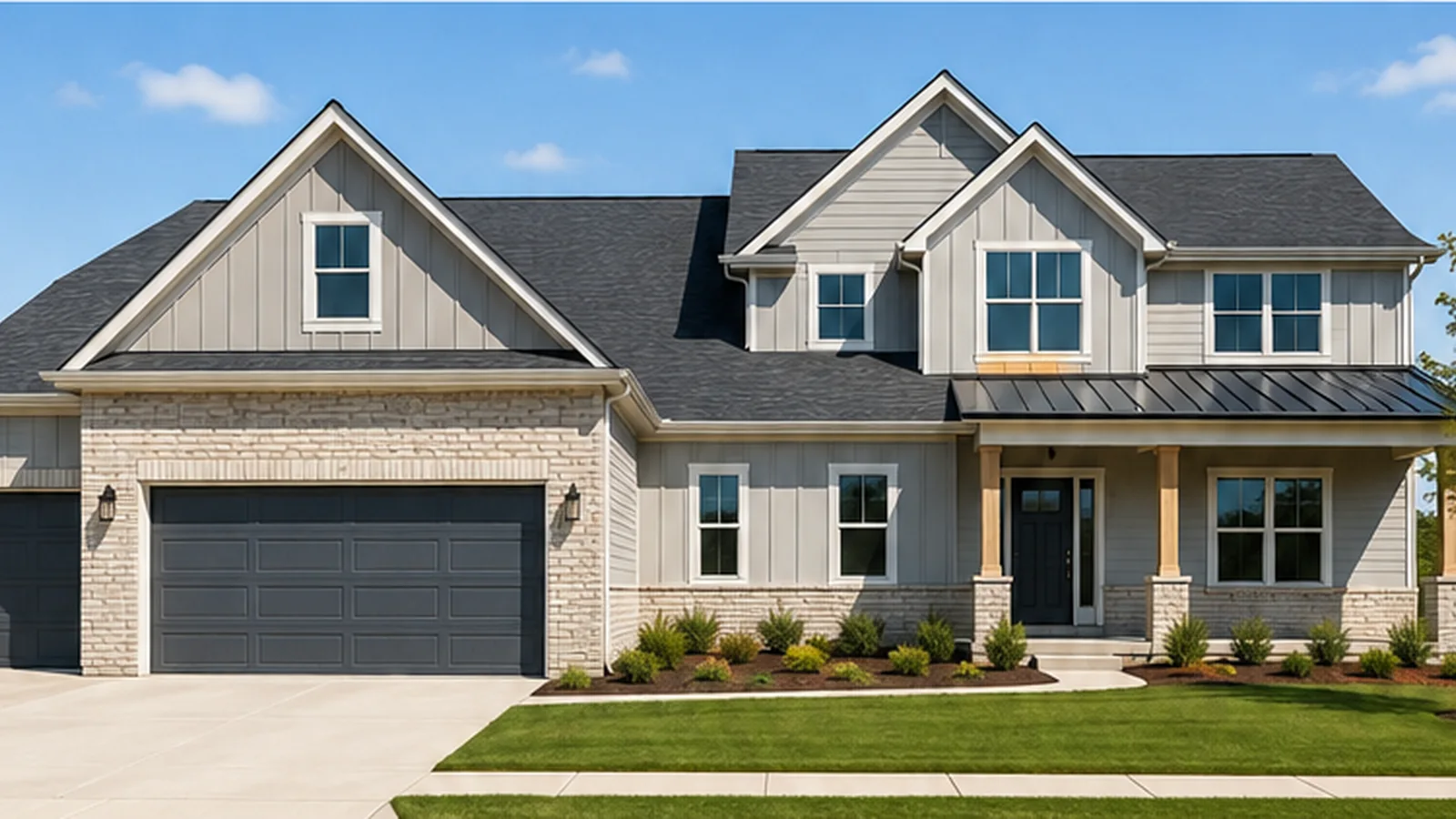
Buying a new construction home can simplify some parts of homeownership because the property is new, but the buying process itself can be more complicated than purchasing a resale home. The builder, contract, deposit, incentives, upgrade choices, construction timeline, inspection rights, final walkthrough, and warranty all deserve separate attention.
The first thing to understand is that “new construction” is not one transaction type. You might be buying a completed quick move-in home, reserving a production home that has not been built yet, choosing from a semi-custom plan, or financing a custom build. Those paths can involve very different timelines, contracts, deposits, financing, and decision points.
This guide focuses on the U.S. buyer side of the process. Contract rights, deposit rules, builder licensing, disclosures, warranties, inspection rights, and construction requirements vary by state and locality. Treat the builder’s documents and your local rules as controlling sources for the transaction you are actually entering.
If you need the broader purchase process first, start with our how to buy a house guide. This article focuses on what changes when the seller is also the builder or developer.
Before you visit a model home, it helps to decide what you are actually trying to buy. A finished inventory home can favor speed and price certainty, while a to-be-built home may give you more choice but expose you to more schedule and selection risk. That distinction should shape your budget, financing plan, inspection strategy, and tolerance for delays.
First, Know Which Kind of New Construction You Are Buying
The type of new home affects almost every decision that follows.
| Type | What it means | Customization & buyer risk |
|---|---|---|
| Quick move-in or spec home | The builder has completed or nearly completed the home before you buy | Low customization. Limited ability to change finishes or choices already made. |
| Production or to-be-built home | You choose from the builder’s plans and available options in a community | Moderate customization. Watch deposits, option deadlines, construction delays, and upgrade costs. |
| Semi-custom home | The builder allows more plan, structural, or finish changes than a standard production home | Moderate to high customization. Watch change orders, pricing complexity, and a longer schedule. |
| Custom home | A home is designed and built specifically for you, often on a separate lot | High customization. Contract, construction financing, design scope, schedule, and cost can be more complex. |
The labels are not legally standardized. A builder may use different marketing terms. Ask exactly what you can change, what has already been ordered, when selections become final, and which contract terms apply to your home.
A completed spec home can resemble a resale purchase in some ways because the house already exists. A to-be-built production home may require months of construction and multiple decision deadlines. A true custom build can involve architects, land, construction financing, draws, and a much more complex project structure.
The lot can matter as much as the floor plan
When you have a choice of lots, compare more than the premium shown on the builder’s price sheet.
Look at:
- street position and traffic;
- corner-lot exposure;
- nearby retention ponds or drainage features;
- slope and grading;
- retaining walls;
- utility boxes and easements;
- neighboring lots that have not yet been built;
- sun exposure and orientation;
- driveway slope;
- proximity to community entrances, dumpsters, amenities, or future commercial areas; and
- whether a view depends on land that may later be developed.
Ask for the recorded plat, site plan, easements, and community-development information available to you. A premium lot can still create maintenance, drainage, privacy, or future-construction tradeoffs.
If the home is already under construction, confirm that the lot, elevation, floor plan, garage orientation, and major structural options in the contract match the home you are actually buying.
The Base Price Is Not the Final Price
A model-home sign or website may show an attractive base price, but the finished home can cost substantially more after lot, structural, design, financing, and community charges are included.
Build your budget around the likely total acquisition cost, not the entry price.
Potential additions include:
- lot premiums;
- elevation or exterior-package premiums;
- structural options;
- additional windows or doors;
- ceiling-height changes;
- electrical upgrades;
- plumbing rough-ins;
- flooring;
- cabinets and countertops;
- lighting;
- appliances;
- landscaping;
- fencing;
- window coverings;
- smart-home packages;
- HOA initiation charges;
- community or special assessments where applicable;
- closing costs;
- rate-lock extension costs where applicable; and
- post-closing items that the builder does not provide.
Ask for a written price sheet that separates the base price from every selected option and fee.
Also ask which items are included in the mortgage purchase price and which must be paid separately. Some deposits or design selections may be due before closing, which can affect the cash you need during construction even if the final home price still fits your loan approval.
Consider how upgrades can affect appraisal and cash needs
A lender’s appraisal is not a reimbursement schedule for every builder upgrade. The appraiser evaluates the completed property under the applicable valuation process, and the final appraised value may not rise dollar-for-dollar with what you spent at the design center.
If the appraisal comes in below the contract price, the effect depends on your financing and contract. You may need to understand whether you can challenge the appraisal, bring additional cash, change financing, renegotiate if the builder allows it, or exercise an appraisal-related right if your contract provides one.
Before committing to a large upgrade package, ask your lender how the total contract price, deposits, and appraisal will interact with your down payment and cash-to-close plan.
Structural options and cosmetic upgrades are different decisions
Some choices are difficult or expensive to change after construction, such as:
- room extensions;
- additional windows;
- garage configuration;
- electrical capacity;
- plumbing rough-ins;
- ceiling height; and
- major layout changes.
Other choices may be easier to change later, such as certain light fixtures, hardware, paint, window treatments, or decorative finishes.
That does not mean every structural option is worth buying from the builder or every cosmetic upgrade should be postponed. It means you should compare the cost, financing impact, convenience, and difficulty of changing the feature later.
Avoid assuming an upgrade will automatically increase resale value by the amount you paid for it.
Research the Builder and the Community Before You Commit
Freddie Mac recommends researching both the builder and the surrounding community before buying new construction. That includes looking at the builder’s work, reputation, existing communities, and future development plans.
Start with the builder itself.
Look for:
- years in business;
- completed communities;
- patterns in consumer reviews;
- warranty-service reputation;
- complaint history;
- state or local licensing or registration where required;
- pending legal or regulatory issues you can verify through reliable sources;
- local subcontractor quality where information is available; and
- how the builder handles defects after closing.
Do not rely only on the model home or sales presentation.
Model homes are marketing tools and may contain structural options, premium finishes, landscaping, lighting, appliances, window treatments, furniture layouts, and decorator features that are not included in the advertised base price. Ask for a written standard-features list and identify which model-home features cost extra before using the model as your expectation for the finished home.
Visit completed communities by the same builder if practical. Look at homes that are several years old, not only freshly staged models. If current owners are willing to talk, ask about warranty response, drainage, finishes, construction quality, and communication.
Freddie Mac specifically suggests checking future development plans around the community. A view, vacant field, temporary road, or wooded parcel can change as later phases are built.
Research the community as carefully as the house
A new home can be excellent while the surrounding development creates surprises.
Investigate:
- future construction phases;
- planned roads;
- traffic;
- unfinished amenities;
- school boundaries;
- utility providers;
- public vs private roads;
- drainage infrastructure;
- HOA documents;
- architectural rules;
- parking restrictions;
- rental restrictions;
- assessments;
- special taxing districts where applicable; and
- who maintains common areas.
If flood or other hazard exposure matters to your decision, use official and local sources instead of relying only on a sales representative’s description.
Understand Who Represents Whom at the Sales Office
The person greeting you at a builder’s sales center works for the builder or the builder’s sales organization unless you have a separate representation agreement stating otherwise.
Freddie Mac recommends finding a real estate agent who is not affiliated with the builder and has new-construction experience if you want buyer-side representation.
That does not mean every buyer must use an agent. It means you should understand the relationship before relying on advice about price, contract terms, incentives, inspections, or negotiation.
Ask:
- Who does the sales representative represent?
- Can I use my own buyer agent?
- Does the builder require my agent to register or accompany me on the first visit?
- How is compensation handled?
- Does the agent have experience with this builder and type of contract?
- Are there deadlines for registering representation?
Do not assume you can add representation later under the same terms if the builder has registration rules.
Compare Financing and Builder Incentives Carefully
A builder may have an affiliated or preferred lender and may offer incentives for using that lender.
The Consumer Financial Protection Bureau states that buyers do not have to use a builder’s associated mortgage lender and have the right to shop around. CFPB also advises borrowers to compare multiple Loan Estimates.
See the CFPB guidance on new-construction home considerations and comparing Loan Estimates.
Builder incentives can include:
- closing-cost credits;
- temporary or permanent rate buydowns;
- lender credits;
- design-center allowances;
- appliance packages;
- price adjustments;
- upgrade credits; or
- combinations of these.
An incentive is not automatically the best deal.
Compare:
- interest rate;
- annual percentage rate where applicable;
- points;
- lender fees;
- mortgage insurance;
- credits;
- cash needed at closing;
- rate-lock period;
- rate-lock extension terms;
- prepayment terms where relevant; and
- whether the incentive changes if you use another lender.
Our how to get a mortgage guide covers the broader lender-shopping and Loan Estimate process.
A useful comparison is to calculate the builder-lender offer and at least one outside-lender offer under the same assumptions. Compare the same loan type, down payment, lock period, and estimated closing date. A large closing-cost credit can be less valuable if it is paired with a materially less favorable rate or higher lender charges.
Match the rate lock to the construction schedule
A rate lock that works for a completed home may not be long enough for a to-be-built home.
Ask each lender:
- when the rate can be locked;
- how long the initial lock lasts;
- what an extension costs;
- who pays for extensions if the builder misses an estimated completion date;
- whether the loan must be re-underwritten before closing;
- what happens if your financial profile changes during construction; and
- whether the builder incentive changes if closing moves into a different period.
Do not make major credit, employment, debt, or asset changes during the build without first discussing them with your lender. Final mortgage approval still depends on meeting the lender’s requirements at closing.
Completed inventory and construction financing are not the same thing
If you are buying a completed or near-complete builder-owned home, the financing may look much like a standard purchase mortgage.
If you are financing construction itself, the loan can be materially different.
CFPB describes a construction loan as typically short-term financing used to fund building or rehabilitation, often through advances as construction progresses. Some construction loans convert to permanent financing, while others are paid off by a separate mortgage.
Do not assume the financing described for a custom build applies to a production home the builder is financing on its own balance sheet.
Read the Builder Contract and Deposit Terms Before Signing
This is one of the most important differences between buying a resale home and buying from a builder.
A builder contract may be written specifically for the builder’s business model rather than using the standard resale form common in your local market.
CFPB notes that a builder may request an upfront builder deposit, sometimes called earnest money, and recommends asking when that deposit can be returned before you commit.
Review:
- deposit amount;
- refundability;
- financing contingency;
- appraisal contingency where applicable;
- inspection rights;
- construction-completion provisions;
- extension rights;
- delay provisions;
- cancellation rights;
- buyer default;
- builder default;
- change-order process;
- price adjustments;
- material or product substitutions;
- lot substitutions;
- design-selection deadlines;
- HOA documents;
- warranty references;
- dispute-resolution provisions; and
- what happens to deposits if the transaction does not close.
Do not assume the same contingencies you used in a resale offer are automatically included.
CFPB recommends financing and satisfactory-inspection contingencies generally, but a builder contract may handle those rights differently. Read the actual agreement.
If the contract is difficult to understand, consider qualified legal advice appropriate to your state before signing.
Pay particular attention to change orders and substitution clauses
For a to-be-built or semi-custom home, the change-order process can become a second contract-management system.
Confirm:
- who can approve a change;
- whether requests must be written;
- how pricing is calculated;
- whether changes require additional deposits;
- whether a change can extend the completion schedule;
- when a selection becomes final;
- whether the builder can substitute materials or products;
- what standard applies if a selected item is discontinued; and
- whether you receive a credit if a lower-cost substitute is used.
Keep a running version of the contract price after every approved change. By the end of construction, you should be able to reconcile the original price, lot premium, options, change orders, credits, deposits, and final amount without relying on the builder’s memory.
Make Upgrade Decisions With a Written Budget
Design centers can turn a manageable base price into a much larger total commitment.
Set an upgrade budget before the appointment.
Group choices into three categories:
Difficult to change later
Examples can include:
- structural extensions;
- window placement;
- ceiling height;
- electrical service;
- prewiring;
- plumbing rough-ins;
- garage configuration; and
- major layout changes.
Expensive or disruptive to change later
Examples may include:
- flooring;
- cabinetry;
- countertops;
- tile;
- built-in lighting; and
- some appliance configurations.
Easier to change after closing
Examples may include:
- paint;
- decorative fixtures;
- cabinet hardware;
- some faucets;
- some light fixtures;
- window coverings; and
- basic landscaping additions.
The right decision depends on builder pricing, financing, your available cash, the cost of post-closing work, and how long you expect to stay in the home.
Ask whether upgrades are included in the purchase contract price, paid separately, or subject to additional deposits.
Keep every selection sheet, option agreement, receipt, and change order.
For high-cost selections, record enough detail to verify delivery later. That can include brand, model, finish, size, color, location, quantity, and any builder option code shown on the selection sheet.
If the builder gives you only a design-center summary, compare it with the signed contract amendments. A beautiful showroom selection is not useful if the binding documents do not clearly show what the builder agreed to install.
Plan for the Construction Timeline Without Treating It as a Promise
New construction introduces schedule risk that does not exist in the same way when you buy a completed resale home.
Possible sources of delay include:
- permits;
- weather;
- inspections;
- labor shortages;
- material availability;
- utility connections;
- change orders;
- design decisions;
- municipal approvals;
- site conditions; and
- builder sequencing across the community.
Your contract should explain how completion is handled, but an estimated delivery date is not always a guaranteed date.
Freddie Mac specifically advises buyers to understand the completion date and what happens if it is missed.
A delay can affect:
- mortgage rate locks;
- lease termination;
- temporary housing;
- moving reservations;
- storage;
- school timing;
- sale of your current home; and
- cash flow.
Build flexibility into your move plan when possible.
Ask how construction progress will be communicated
Builders vary in how much site access and progress reporting they allow.
Before construction begins, ask:
- who your main contact is after the sales contract is signed;
- how often you will receive updates;
- which milestones trigger buyer decisions;
- when option or design deadlines occur;
- whether buyer site visits are allowed;
- whether an appointment is required to enter the site;
- how delays are communicated; and
- when the builder expects to provide a firmer closing window.
Do not enter an active construction site without permission. Even when you own the future home under contract, the builder may control site access for safety, insurance, and scheduling reasons.
If you must sell another property before closing, coordinate the timing carefully. Our how to sell a house guide covers the broader seller process.
Use Independent Inspections Strategically
A brand-new home can still have defects, incomplete work, installation problems, or items that need correction.
Freddie Mac recommends a home inspection even for new construction.
HUD also makes an important distinction in its FHA materials: compliance inspections related to mortgage or construction requirements do not warrant the overall condition of the house, and buyers should obtain their own home inspection from a qualified inspector.
A municipal code inspection and a buyer-side home inspection serve different purposes.
Depending on the builder, contract, construction stage, and local practice, buyers may consider inspections such as:
- pre-drywall inspection;
- final or pre-closing inspection;
- specialized inspection when a concern arises; and
- a follow-up inspection before an important warranty deadline.
Do not assume you automatically have access to every construction stage. Preserve inspection rights in the contract where appropriate and confirm scheduling procedures with the builder.
Choose an inspector qualified for new construction and licensed where your jurisdiction requires it.
A pre-drywall inspection can be especially useful because framing, some mechanical work, plumbing runs, electrical components, and other systems may still be visible before insulation and wall finishes conceal them. A final inspection focuses on the completed home and whether installed systems and finishes appear to function and be completed as expected.
If the inspector identifies significant items, ask whether a reinspection is appropriate after the builder reports them corrected. The goal is not to create an adversarial process. It is to verify that documented concerns were actually addressed before they become harder to trace after closing.
Keep the inspection report separate from the builder’s punch list. The two documents may overlap, but they serve different purposes.
Treat the Final Walkthrough as a Punch-List Verification
The final walkthrough is not just a tour of your finished home.
Bring your contract selections and inspection information.
Check whether:
- the correct options were installed;
- agreed repairs were completed;
- doors and windows operate;
- fixtures work;
- appliances included in the contract are present;
- plumbing fixtures operate;
- visible finishes are complete;
- flooring and surfaces are not damaged;
- exterior work is reasonably complete;
- landscaping promised by contract is present;
- garage doors operate;
- major systems are functioning; and
- previously identified items have been addressed.
Document defects with photographs and written notes.
Ask:
- Who owns each punch-list item?
- When will it be corrected?
- Can unresolved work remain after closing?
- How will post-closing access be arranged?
- What is the escalation process if the work is not completed?
Do not rely on memory or verbal assurances alone.
Bring the latest option sheets and change orders, not just the original sales brochure. If the contract includes a specific appliance, flooring package, cabinet finish, electrical option, or structural feature, verify the installed item against the final signed documents.
Where a correction cannot be completed before closing, ask how it will be documented, who will perform it, whether access is required after you take possession, and whether any holdback or other mechanism is available in your transaction. The legal and financial options vary, so do not assume a builder’s verbal promise creates the same protection as a written closing document.
For a broader explanation of inspections, appraisal, title, financing, and closing after a property is under contract, see what happens after an offer is accepted on a house.
Understand the Warranty Before Closing
Freddie Mac recommends understanding warranties on the home and individual appliances and keeping those records accessible after closing.
Warranty coverage is not universal.
Your documents may include separate coverage from:
- the builder;
- appliance manufacturers;
- HVAC manufacturers;
- roofing manufacturers;
- window manufacturers;
- third-party warranty administrators; or
- other product manufacturers.
Read:
- covered items;
- exclusions;
- claim deadlines;
- required homeowner maintenance;
- emergency procedures;
- response process;
- dispute process;
- transferability;
- service contacts; and
- documentation requirements.
Do not assume a generic “1-2-10” warranty structure applies to every new home. Coverage can vary by builder, state, warranty company, loan program, and contract.
Create a warranty calendar after closing.
Also create a simple warranty issue log with:
- date first observed;
- location;
- photographs or video;
- description of the problem;
- date submitted;
- service-ticket number;
- builder response;
- appointment date;
- work completed; and
- whether the issue returned.
This can be more useful than relying on email threads months later. If a recurring problem appears to involve water intrusion, structural movement, electrical safety, gas, or another serious condition, do not wait for a routine warranty milestone to seek appropriate professional help.
If a warranty requires you to perform or document routine maintenance, our home maintenance checklist can help you build a recurring schedule.
Closing on a New Construction Home
The closing itself still includes the familiar mortgage and ownership steps, but new construction adds a few items worth checking carefully.
Before closing, confirm:
- the home is complete enough for the transaction to close under your contract and financing;
- final mortgage approval is complete;
- appraisal and completion requirements are satisfied;
- the Closing Disclosure matches your understanding of the transaction;
- outstanding punch-list items are documented;
- HOA or community documents are delivered where applicable;
- utility transfer instructions are clear;
- warranty documents are complete;
- keys, remotes, access codes, and mailbox information are ready;
- manuals and model information are available; and
- you know exactly who to contact for post-closing warranty issues.
Do not assume that closing automatically resolves every incomplete item.
If a certificate of occupancy, completion certification, final municipal approval, or lender completion documentation is required for your transaction, confirm with the builder, lender, and closing professional that the necessary documents are in place. The exact documents vary by jurisdiction, financing program, and construction status.
Review your final numbers against the contract and approved changes. Lot premiums, upgrade deposits, lender credits, builder credits, and change orders should not become unexplained surprises on closing day.
If work will remain open after closing, get the responsibility and process documented.
After Closing: Protect Your Warranty and Document the Home
The first months of ownership are when good records become especially useful.
Keep:
- signed builder contract;
- option sheets;
- change orders;
- deposit receipts;
- loan documents;
- inspection reports;
- punch-list records;
- photographs;
- warranty documents;
- appliance manuals;
- model and serial numbers;
- HOA documents;
- builder contact information;
- service tickets; and
- written warranty claims.
Submit warranty issues through the builder’s required process and keep proof of submission.
During the first weeks, learn how the builder distinguishes emergency service, ordinary warranty requests, homeowner maintenance, and manufacturer claims. A plumbing leak or loss of essential service may use a different contact path than a cabinet adjustment or paint touch-up.
Walk the exterior after the first significant rain if practical and safely observe drainage around the home, downspouts, grading, and areas where water collects. New landscaping and recently disturbed soil can settle. If you see a persistent drainage or water-intrusion concern, document it promptly rather than waiting until the end of a warranty period.
Do not wait until the final days of a warranty period to report a defect you have been watching for months.
For the wider post-closing transition, use our new homeowner checklist.
Common Mistakes When Buying From a Builder
Treating the base price as the finished-home price
The advertised base price is usually only the starting point. Lot premiums, structural options, design selections, appliances, landscaping, financing costs, HOA charges, and other additions can materially increase what you ultimately pay.
Ask the builder for a written breakdown of the base price and every selected upgrade or fee. Keep a running total throughout the process so the final contract price does not become a surprise.
Assuming the builder’s sales representative represents you
The sales representative at the model home or builder’s sales office generally works for the builder or its sales organization.
That person can explain the builder’s homes, available lots, options, incentives, and process, but you should not automatically assume their role is to protect your interests. Understand the representation relationship before relying on advice about price, contract terms, inspections, financing, or negotiation.
If you want independent buyer representation, investigate that option before your first visit because some builders have registration requirements.
Accepting a preferred-lender incentive without comparison
Builder-affiliated lenders may offer closing-cost credits, rate buydowns, upgrade allowances, or other incentives. Those incentives can be valuable, but they should be evaluated as part of the entire loan rather than in isolation.
Compare the interest rate, lender fees, points, credits, cash to close, rate-lock period, and other loan terms with at least one competing offer when practical.
A larger builder credit does not automatically mean the associated mortgage is the least expensive option over time.
Signing before understanding the deposit
Builder deposits can work differently from earnest money in a typical resale transaction.
Before signing, know how much you must deposit, when additional deposits may be required, when the money becomes nonrefundable, and what happens if financing, appraisal, inspection, construction, or completion problems arise.
The contract should answer those questions. Do not rely only on a verbal explanation from the sales office.
Overspending on upgrades because they can be financed
Adding upgrades to the purchase price can make them feel more affordable because you may not have to pay the entire cost upfront.
But financing an upgrade does not make it inexpensive. You may pay interest on that cost for years, and the appraisal may not increase dollar-for-dollar with everything selected at the design center.
Set an upgrade budget before making selections and prioritize features that would be difficult or expensive to change after closing.
Treating the estimated completion date as guaranteed
Construction schedules can change because of weather, permits, inspections, labor availability, materials, utility connections, change orders, and other delays.
An estimated closing month or completion date should not automatically be treated as a firm promise unless the contract specifically makes it one.
Build flexibility into lease termination, temporary housing, moving arrangements, rate locks, and the sale of another home whenever possible.
Assuming code inspections replace an independent home inspection
Municipal or code inspections help determine whether construction complies with applicable requirements, but they do not serve the same purpose as a buyer’s independent home inspection.
A buyer-side inspector can evaluate the home from your perspective and identify incomplete work, installation concerns, visible defects, or items that deserve further evaluation.
If your contract permits it, consider whether inspections at key stages such as pre-drywall and pre-closing would be useful for your particular build.
Failing to document the walkthrough
A final walkthrough should produce more than a mental list of items the builder says it will correct.
Photograph defects, record incomplete work, identify missing or incorrect selections, and maintain a written punch list. Confirm who is responsible for each item and when it is expected to be completed.
If something will remain unresolved after closing, make sure the obligation and follow-up process are documented rather than relying only on a verbal promise.
Ignoring the warranty until something breaks
Do not wait for a problem to appear before reading the builder warranty.
Before closing, understand what is covered, what is excluded, how claims must be submitted, which issues are handled by the builder versus a manufacturer, and whether homeowner maintenance is required to preserve coverage.
After moving in, keep photographs, service requests, correspondence, and repair records. A simple warranty calendar can also help you review the home before important coverage periods expire.
Ignoring unfinished phases of the community
Buying one completed home does not mean the surrounding community is finished.
Future roads, homes, construction traffic, amenities, landscaping, commercial development, assessments, and HOA responsibilities can affect your daily experience and future costs.
Ask what remains to be built, which amenities are complete versus proposed, how long additional construction is expected to continue, and whether future phases could affect views, traffic, drainage, or access.
Questions Buyers Commonly Ask
Is buying a new construction home different from buying a resale home?
Yes. The general financing and closing framework can be similar, but new construction adds builder selection, builder-specific contracts, deposits, incentives, upgrade choices, construction schedules, inspection access, punch-list work, and builder warranties.
Do I need a real estate agent for new construction?
Not every buyer uses an agent, but Freddie Mac recommends an agent who is independent from the builder and experienced in new construction if you want buyer-side representation.
Check the builder’s agent-registration rules before your first visit.
Do I have to use the builder’s preferred lender?
No. CFPB states that you do not have to use a builder’s associated mortgage lender and have the right to shop around.
A builder can still structure incentives around a preferred lender, so compare the incentive with competing Loan Estimates.
Can you negotiate on a new construction home?
Sometimes.
Freddie Mac notes that builders may resist reducing the recorded sale price but may offer upgrades or closing-cost help instead. Negotiability depends on market conditions, builder inventory, construction stage, incentives, and the specific community.
Should I get an inspection on a brand-new home?
An independent inspection is strongly worth considering.
Freddie Mac recommends inspection for new construction, and HUD materials distinguish compliance/code-related inspections from a buyer’s own home inspection.
What happens if construction is delayed?
The contract controls the parties’ rights and responsibilities.
A delay can affect rate locks, moving, temporary housing, lease termination, and the sale of another home. Review the builder’s extension and completion provisions before signing.
Are builder deposits refundable?
Sometimes, but not always.
CFPB specifically recommends asking under what conditions a builder deposit can be returned before you commit. The answer depends on the contract and applicable law.
What should I check during the final walkthrough?
Confirm selected options, finishes, appliances, fixtures, doors, windows, plumbing, visible exterior work, previously identified defects, and agreed punch-list corrections. Document unresolved items.
Is a lot premium worth paying?
It depends on what the premium actually buys.
A larger lot, cul-de-sac position, view, privacy, orientation, or proximity to amenities may be valuable to you, but also check drainage, easements, future development, traffic, maintenance, and how durable the perceived benefit is. Do not evaluate the premium only from the model-home sales map.
Do builder upgrades always increase the appraised value?
No. An appraisal does not necessarily add the full retail cost of each upgrade to the home’s value.
Large upgrade packages can increase the contract price faster than the appraised value. Ask your lender how an appraisal shortfall would affect your required cash and review any appraisal-related contract rights before making expensive selections.
What does a new-home warranty cover?
It depends on the actual warranty.
Coverage can be divided among the builder, appliance manufacturers, equipment manufacturers, and third-party warranty providers. Read the written terms instead of assuming a standard coverage period.
Before You Sign With a Builder
Buying from a builder can be a good fit when you understand the transaction you are entering.
Before you commit, verify these points in writing:
- what type of new construction you are buying;
- the realistic total price after lot, structural, and design selections;
- who represents you and who represents the builder;
- the builder’s reputation and the community’s future plans;
- your deposit amount and refund rules;
- your financing and lender-shopping options;
- every incentive and what you give up to receive it;
- your inspection rights;
- the construction-completion and delay terms;
- the change-order process;
- the final walkthrough and punch-list procedure; and
- the written warranty and claim process.
A new home should not require blind trust simply because no one has lived in it before. The strongest buyer position comes from documented costs, clear contract rights, independent due diligence, realistic timeline planning, and careful verification before closing.
When buying a new construction home, the most expensive mistakes often begin before construction is finished: an unclear deposit clause, an upgrade package that outruns the budget, an incentive that was never compared, an inspection right that was not preserved, or a completion date that was treated as certain. Slowing down at those decision points can matter more than rushing to secure a particular lot or design package.