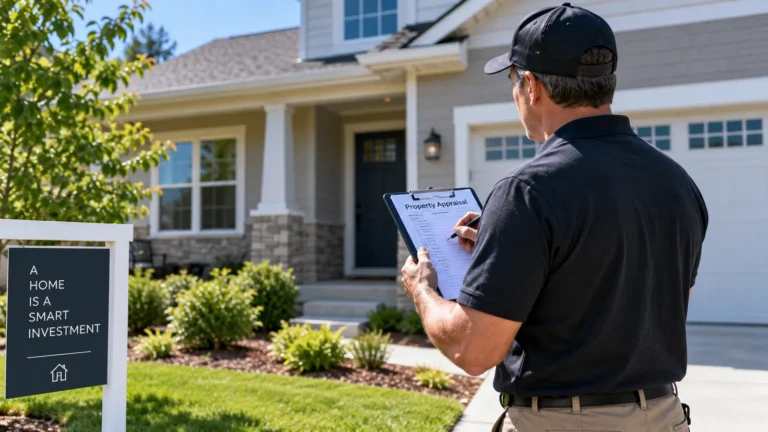
Home Inspection Checklist for Buyers: What to Check Before Closing

A home inspection checklist for buyers is most useful when it does more than tell you which parts of a house to look at. It should help you prepare for the inspection, understand what the inspector is evaluating, recognize when additional expertise may be needed, and decide what to do with the report before closing.
A professional home inspection is generally a visual, non-invasive examination of accessible systems and components. It can reveal important information about the condition of a property at the time of the inspection, but it is not a guarantee that nothing will go wrong later.
It also is not the same as an appraisal, a building-code inspection, an environmental assessment, or a specialist evaluation of every possible problem.
The goal for a buyer is therefore not to personally diagnose the house. It is to use the inspection process to answer four practical questions:
- What condition is the property in now?
- What needs clarification or further evaluation?
- What costs or maintenance responsibilities should I understand?
- What decisions do I need to make before my contractual deadlines expire?
This guide walks through the inspection from preparation to report review so you can use the information intelligently before closing.
Home Inspection Checklist for Buyers: The Short Version
Think of the process in three stages.
| Stage | Buyer priority | Goal |
|---|---|---|
| Before | Confirm scope, deadlines, concerns, and possible extra tests | Arrive prepared |
| During | Observe, ask questions, and note inaccessible or excluded areas | Understand the property’s condition |
| After | Review the report, clarify findings, obtain follow-up where needed, and review your options | Make an informed pre-closing decision |
A useful inspection process is not about finding a perfectly defect-free house. Most homes will have maintenance items, aging components, minor defects, or areas that deserve attention.
The more important question is whether you understand the findings well enough to decide what requires immediate action, further investigation, future budgeting, or no major response at all.
What a Home Inspection Does and Does Not Do
A professional home inspection generally examines accessible parts of major residential systems and components.
The American Society of Home Inspectors describes a home inspection as a visual examination of readily accessible systems and components and requires a written report under its current Standard of Practice.
InterNACHI similarly describes a home inspection as a non-invasive visual examination of accessible areas intended to identify observed material defects within the systems covered by its Standards of Practice.
Those descriptions highlight an important limitation:
The inspector can only evaluate what is accessible and within the agreed scope of the inspection.
An inspector generally is not opening walls, dismantling major systems, excavating underground components, or predicting exactly when every appliance or building component will fail.
A standard inspection also should not be treated as:
- a warranty;
- a guarantee against future defects;
- an appraisal of market value;
- a complete code-compliance audit;
- an engineering study;
- a mold or environmental assessment;
- a pest inspection unless separately included;
- a radon test unless separately arranged; or
- professional advice about whether you should buy the property.
The inspection provides evidence for your decision. It does not make the decision for you.
Before the Home Inspection
Preparation matters because inspection periods are often time-sensitive.
The Consumer Financial Protection Bureau recommends scheduling the inspection promptly after choosing a home so there is time to address problems and arrange additional inspections if necessary. See the CFPB home inspection guidance.
Confirm Your Contract Deadline
Before inspection day, identify the inspection-related dates in your purchase agreement. Depending on the contract, these may include deadlines for:
- completing the inspection;
- notifying the seller about issues;
- requesting repairs or credits;
- obtaining additional specialist evaluations;
- accepting the property;
- exercising an inspection contingency; or
- completing other due-diligence steps.
Do not assume you have a standard number of days. Inspection rights and timelines depend on the actual contract, local law, and transaction.
If you are unsure what your contract allows, discuss it with your real estate agent and, where appropriate, a real estate attorney.
If you are still getting oriented to everything that happens after an offer is accepted, our guide to what happens after an offer is accepted on a house explains the broader path from contract to closing.
Choose the Inspector and Confirm the Scope
Do not choose an inspector based only on price or availability. Depending on your state or locality, licensing or regulatory requirements may differ. Useful questions include:
- What professional standards do you follow?
- What does your inspection include?
- What is excluded?
- Will I receive a written report?
- Can I attend the inspection?
- How are major findings explained?
- Do you recommend specialist follow-up when something is outside your scope?
- Do you offer or coordinate additional services such as radon testing?
- Are there parts of this property type you typically do not inspect?
You should understand the inspection agreement before the appointment rather than discovering exclusions afterward.
Share Disclosures and Specific Concerns
If you have received seller disclosures or noticed something during your showing, tell the inspector.
Examples might include:
- past leaks;
- foundation repairs;
- roof work;
- plumbing problems;
- electrical upgrades;
- moisture concerns;
- additions;
- unfinished work;
- unusual odors;
- drainage problems; or
- visible cracks.
The inspector still performs an independent inspection, but relevant context can help focus attention.
Decide Whether You Need Additional Tests or Specialists
Some concerns are outside the normal scope of a general home inspection. Depending on the property, location, age, disclosures, observed conditions, and your own risk tolerance, additional evaluation might include:
- radon testing;
- sewer scope;
- septic evaluation;
- well-water testing;
- chimney inspection;
- pool or spa inspection;
- pest or wood-destroying organism inspection;
- structural engineering review;
- specialized HVAC evaluation;
- electrical evaluation;
- environmental assessment; or
- other property-specific expertise.
Do not order every possible specialist service automatically. The purpose is to identify what is relevant to the actual property.
Plan to Attend if Feasible
CFPB recommends attending the inspection if you can because being present can make it easier to understand the report and ask questions.
Attending does not mean following the inspector onto roofs, into unsafe crawl spaces, or interfering with the inspection.
Use the time to observe and learn. Ask the inspector to explain:
- how systems operate;
- which findings are significant;
- what is normal maintenance;
- what should be monitored;
- what is inaccessible;
- and what needs further evaluation.
During the Inspection: What Buyers Should Pay Attention To
You are not there to perform a second inspection yourself. Your role is to understand what is being evaluated and what questions the findings raise. So you need to pay attention to important things. This goes a long way in determining the questions you will ask.
Structure, Foundation and Drainage
The inspector may evaluate visible structural components and readily accessible foundation areas. Pay attention to discussion of:
- visible cracking;
- settlement indicators;
- moisture intrusion;
- crawl spaces;
- basement conditions;
- grading;
- drainage;
- retaining walls; and
- visible structural movement.
Useful buyer questions include:
- Does this appear to be a cosmetic condition or something that needs further evaluation?
- Did you see signs of active moisture?
- Were any foundation areas inaccessible?
- Would you recommend evaluation by a structural engineer or another specialist?
- Is drainage directing water away from the structure?
Do not personally decide that every crack is harmless or serious. The important step is understanding whether the observed condition requires professional follow-up.
Roof and Exterior
The inspection may cover visible roof materials, flashing, drainage components, exterior cladding, trim, doors, windows, decks, porches, and other accessible exterior features.
Ask about:
- visible roof condition;
- missing or damaged materials;
- signs of leakage;
- gutters and downspouts;
- siding or masonry;
- exterior penetrations;
- decks and railings;
- visible wood deterioration;
- exterior drainage; and
- components that could not be safely inspected.
A statement that a roof is older is not the same as saying it is currently failing. Ask what the inspector actually observed.
Attic, Insulation and Ventilation
Where accessible, the inspector may examine attic areas, insulation, ventilation, visible roof structure, and signs of moisture or leakage.
Useful questions include:
- Is ventilation present and functioning as expected?
- Did you see evidence of roof leakage?
- Is there visible moisture staining?
- Were sections of the attic inaccessible?
- Did anything suggest the need for specialist evaluation?
If an attic cannot be safely entered, that limitation should matter to your understanding of the report.
Plumbing
A general inspection may evaluate accessible plumbing components and fixtures. That can include:
- visible supply piping;
- visible drain piping;
- water-heating equipment;
- sinks;
- toilets;
- tubs;
- showers;
- faucets;
- visible leakage;
- drainage performance; and
- normal fixture operation.
Ask:
- Did you observe active leaks?
- Were there slow drains or unusual conditions?
- What type of visible supply or drain piping is present?
- Is the water heater functioning during the inspection?
- Is any plumbing concealed or inaccessible?
- Does anything justify evaluation by a plumber or a sewer-line specialist?
A general home inspection does not necessarily tell you the condition of underground sewer piping. If sewer condition matters to your transaction, ask whether a separate sewer scope is appropriate.
Electrical
The inspector may evaluate visible and accessible electrical components covered by the applicable inspection standard.
That may include:
- service equipment;
- panels;
- overcurrent protection;
- representative outlets;
- switches;
- visible wiring;
- grounding or bonding observations;
- GFCI or AFCI protection where included;
- and other accessible components.
Buyer questions might include:
- Did you identify conditions that need an electrician?
- Were any panels or components inaccessible?
- Did you see evidence of amateur or unusual electrical work?
- Are there safety-related findings that deserve prompt attention?
Do not open panels or attempt electrical testing yourself.
Heating and Cooling
The inspector generally evaluates installed heating and cooling equipment that can be operated safely under normal conditions.
Ask about:
- whether equipment operated during the inspection;
- visible condition;
- distribution systems;
- thermostats;
- unusual noises;
- visible corrosion or leakage;
- and any limitation that prevented operation.
Age by itself is not a defect. A system can be older and working, or newer and defective. The useful question is what the inspector observed and whether further evaluation is justified.
Windows, Doors and Interior
Inspectors generally review representative interior components such as:
- windows;
- doors;
- floors;
- walls;
- ceilings;
- stairs;
- railings;
- and other visible interior features.
Pay attention to:
- signs of water intrusion;
- damaged or non-operating windows;
- doors that do not function normally;
- stair or railing concerns;
- unusual floor movement;
- and areas obscured by furniture or stored belongings.
Remember that an inspector is usually not moving large amounts of personal property to see what is behind it.
Fireplaces and Installed Appliances Where Applicable
The scope of fireplace and appliance inspection varies. Ask the inspector what is included.
A general inspection may observe readily accessible fireplace components or installed appliances within the applicable standard, but specialized chimney inspection, cleaning, gas-system evaluation, or appliance servicing may require separate professionals.
What a Standard Home Inspection May Not Cover
One of the most important parts of a home inspection checklist for buyers is understanding what is not automatically covered.
Professional inspection standards contain significant limitations. Depending on the standard and inspection agreement, a general inspection may not require the inspector to determine:
- conditions in inaccessible areas;
- concealed defects behind finished walls;
- future failure of components;
- exact remaining service life;
- compliance with all building codes;
- environmental hazards;
- mold;
- radon;
- asbestos;
- lead;
- pests or wood-destroying organisms;
- underground systems;
- property boundaries;
- engineering adequacy;
- exact repair costs; or
- whether purchasing the property is advisable.
ASHI’s current standard, for example, states that inspectors operating under that standard are not required to determine future conditions, code compliance, environmental hazards, molds or mold-like substances, wood-destroying organisms, or certain underground items.
InterNACHI’s standard similarly excludes determinations about inaccessible systems, future conditions, mold, airborne hazards including radon, environmental hazards, pests, and other matters from its standard inspection requirements.
The inspection agreement for your actual property controls what your inspector has agreed to provide.
When a Specialist Inspection May Be Worth Considering
A general inspector often identifies conditions that deserve more focused evaluation. That is not a failure of the general inspection. It is one of the ways the inspection helps direct due diligence.
| Concern | General inspection | Follow-up |
|---|---|---|
| Structural | Observe and report accessible conditions | Structural engineer if warranted |
| Electrical | Report accessible deficiencies | Licensed electrician |
| HVAC | Check operation and visible condition | HVAC contractor |
| Plumbing | Inspect accessible plumbing and fixtures | Licensed plumber |
| Sewer line | Usually outside normal underground scope | Sewer scope / plumber |
| Septic | Often outside general scope | Septic specialist |
| Radon | Separate testing | Radon test |
| WDO / pests | May be outside standard scope | Pest / WDO specialist |
| Chimney | General visible review may be limited | Chimney professional |
| Pool / spa | May be excluded | Pool / spa specialist |
| Environmental | Standard inspection may exclude testing | Qualified specialist |
The right follow-up depends on what was observed and on the property.
Radon Testing
Radon deserves separate attention because it cannot be identified by sight. The U.S. Environmental Protection Agency recommends that people buying or selling a home have it tested for radon. See the EPA radon resources for real estate.
If the seller already has a radon result, ask:
- when the test was performed;
- where the test device was located;
- whether the house has changed since testing;
- whether a radon-reduction system exists; and
- whether a new test is appropriate for your transaction.
Do not assume that a general home inspection automatically includes radon testing.
Mold and Moisture
A general inspector may report visible moisture conditions or observations that warrant attention, but routine mold testing is not automatically part of a standard inspection.
EPA notes that when visible mold growth is present, sampling is often unnecessary and that mold testing has limitations because there are no federal regulatory limits for mold or mold spores.
If mold sampling or a specialized assessment is being considered, EPA recommends using professionals with appropriate experience. See the EPA guidance on mold testing and sampling.
The practical buyer question is usually not simply whether there is mold. It is also whether there is an underlying moisture problem, what is its extent, and who is qualified to evaluate or correct it.
Special Case: Condos and Multi-Unit Properties
Buying a condominium creates an important inspection boundary. A unit inspection does not automatically mean the inspector is evaluating the entire condominium building.
ASHI’s current Standard of Practice specifically states that inspectors following that standard are not required to inspect common elements and common areas in multi-unit housing such as condominium properties.
That means a condo buyer may need to separate unit condition from building and association condition.
Your individual inspection might help you understand the interior unit and accessible systems that fall within the inspection scope. It may not fully evaluate:
- shared roof systems;
- exterior building envelope;
- elevators;
- parking structures;
- common plumbing;
- common electrical systems;
- shared mechanical systems;
- association-maintained structures; or
- deferred maintenance elsewhere in the project.
The association’s documents, budgets, reserves, insurance, maintenance records, and other due-diligence materials may therefore matter in addition to the unit inspection.
If you are comparing condominium and townhouse ownership structures, our condo vs townhouse guide explains how responsibility for common elements, maintenance, insurance, and other obligations can differ.
Special Case: New Construction
A newly built home can still benefit from inspection planning. New does not mean every component has been installed perfectly or that no corrections are needed. Depending on the stage of construction and your agreement, inspection opportunities might include:
- pre-drywall inspection;
- completed-home inspection;
- final walkthrough observations;
- builder correction lists; and
- later warranty-related inspections where appropriate.
The timing and rights involved depend on the builder contract and local process. If you are buying directly from a builder, our guide to buying a new construction home covers the wider issues involving builder contracts, deposits, upgrades, financing, inspections, walkthroughs, and closing.
Questions to Ask During the Home Inspection
You do not need to interrogate the inspector about every minor observation. Focus on questions that improve your understanding. Useful examples include:
- What does this finding mean in practical terms?
- Is this functioning today?
- Is this a safety-related concern?
- Does it need further evaluation?
- What type of professional should evaluate it?
- Is this typical maintenance or something more significant?
- Was any part of the system inaccessible?
- Did anything prevent you from testing or operating this component?
- Is there evidence of active moisture?
- Is this condition likely to require near-term attention?
- Are there documents or service records I should request?
- Is there anything in the report you would especially want a buyer to understand before the contingency deadline?
Avoid asking the inspector to make decisions that belong to you, your lender, your insurer, your attorney, or another specialist.
How to Read the Home Inspection Report Without Overreacting
A long inspection report can feel alarming. That does not necessarily mean the house is unusually bad. Inspection reports often document:
- safety issues;
- defects;
- maintenance needs;
- aging components;
- minor damage;
- inaccessible areas;
- recommended specialist evaluations;
- and informational observations.
The number of pages is less useful than understanding the findings. Do not divide the report into only good and bad. Instead, ask what action each finding requires.
Use the Inspection Report Triage Framework
A practical way to review the report is to sort findings by next action.
Clarify
Use this category when you do not fully understand what the inspector means.
Questions might include:
- Is this active or historical?
- How significant is the observed condition?
- Was the system operating?
- Why is further evaluation recommended?
- What part of the component was inaccessible?
Clarification prevents you from making decisions based on assumptions.
Get Specialist Follow-Up
Use specialist follow-up when:
- the inspector recommends it;
- the issue falls outside general inspection scope;
- the condition requires professional expertise;
- or the financial or safety implications are important enough to justify deeper evaluation.
Examples might include:
- structural engineer;
- electrician;
- plumber;
- HVAC contractor;
- chimney specialist;
- roofer;
- pest professional;
- septic specialist;
- sewer scope provider; or
- environmental specialist.
Get an Estimate or Budget
Some findings become more useful once you understand their likely financial impact. If a component needs replacement or significant repair, consider obtaining a qualified estimate where practical. Do not rely solely on generic internet cost ranges for a transaction decision.
Actual costs vary based on:
- location;
- labor;
- materials;
- property access;
- scope;
- permit requirements;
- contractor availability; and
- related damage.
An estimate can help turn an abstract concern into a realistic ownership-cost decision.
Review Contract or Transaction Options
Inspection findings can affect negotiations and contractual decisions. CFPB notes that buyers may be able to negotiate with sellers about repairs and, when the purchase contract is contingent on a satisfactory inspection, may have cancellation rights depending on the contract.
The seller may or may not agree to requested repairs or credits. Your options depend on:
- the contract;
- applicable deadlines;
- local practice;
- financing;
- insurance;
- the seller’s response; and
- applicable law.
Do not miss a deadline while waiting for perfect information. If a specialist cannot complete an evaluation before your deadline, discuss the situation promptly with your agent or attorney where appropriate.
Maintain or Monitor
Not every finding requires negotiation or immediate repair. Some observations belong in a future ownership plan. Examples might include:
- routine maintenance;
- minor cosmetic repairs;
- servicing;
- monitoring;
- older components that are functioning;
- or improvements you may choose to make later.
A good inspection report can become a useful maintenance roadmap after closing.
Hypothetical Example: Turning Findings Into Next Steps
Consider a hypothetical inspection report with four findings.
Finding 1: Water staining under a bathroom
The inspector sees staining but cannot determine the full cause.
Next action: Clarify whether active moisture was observed and consider plumbing follow-up if recommended.
Finding 2: Electrical panel condition requiring further evaluation
The inspector identifies a condition outside the scope of further diagnosis.
Next action: Obtain evaluation from a qualified electrician before the relevant contract deadline if possible.
Finding 3: Older air-conditioning equipment that operated during the inspection
The system is older, but no current failure is reported.
Next action: Understand age and condition, consider future replacement budgeting, and decide whether additional HVAC evaluation is warranted based on the actual report.
Finding 4: Loose interior door hardware
The item is minor and understandable.
Next action: Add it to a future maintenance list rather than treating it as equivalent to a major structural or safety concern.
The point is not that every buyer should respond to those findings in exactly the same way. The point is that different observations call for different next actions. That is much more useful than counting the number of defects in the report.
What Happens After the Inspection?
After the report arrives, read the entire document. Do not rely only on the summary page.
Then:
- identify questions for the inspector;
- schedule warranted follow-up before deadlines where possible;
- obtain estimates when they materially affect your decision;
- review your purchase agreement;
- discuss available options with your agent or attorney where appropriate;
- consider lender or insurance implications;
- decide whether the property still fits your budget and risk tolerance.
Possible transaction outcomes can include:
- proceeding without changes;
- requesting clarification;
- asking for repairs;
- negotiating a credit or other concession;
- obtaining additional evaluation;
- modifying plans based on lender or insurer requirements;
- or exercising contractual rights where available.
None of those outcomes is automatic. The purchase agreement controls what options you have. CFPB also notes that major repairs can sometimes interact with loan requirements, particularly when an appraisal or loan program identifies property conditions that must be resolved before closing.
Home Inspection vs Appraisal
A home inspection and an appraisal serve different purposes.
Home inspection
The inspection is primarily for the buyer’s understanding of the property’s physical condition.
It focuses on observable systems and components within the inspection scope.
Appraisal
An appraisal is primarily a valuation process. When a buyer uses mortgage financing, the lender generally requires an appraisal or another permitted valuation process to help determine whether the property supports the loan.
An appraiser is not performing the same system-by-system condition inspection as a home inspector.
You can therefore have:
- a home that appraises at the agreed value but still has inspection issues; or
- a home that is physically acceptable to you but creates an appraisal or financing problem.
Do not treat one as a substitute for the other.
Frequently Asked Questions About Home Inspections
What Do Home Inspectors Look For?
A general home inspector typically evaluates accessible components of major systems such as the structure, roof, exterior, plumbing, electrical system, heating, cooling, attic, insulation, ventilation, windows, doors, and interior areas within the applicable inspection scope.
The exact scope depends on the inspector’s agreement, professional standard, property, and applicable state or local requirements.
Can a House Fail a Home Inspection?
A standard home inspection is generally not a pass-or-fail test. The inspector reports observed conditions and deficiencies within the inspection scope.
The buyer then decides what those findings mean for the transaction. Separate lenders, insurers, municipalities, or loan programs may have their own property requirements.
Should Buyers Attend the Home Inspection?
If feasible and permitted, attending can be valuable. It gives you an opportunity to see important findings, understand how systems work, and ask the inspector questions.
CFPB specifically recommends attending if you can.
Does a Standard Home Inspection Include Radon Testing?
Not automatically. Radon testing is commonly a separate service or test. EPA recommends that people buying or selling a home have it tested for radon.
Confirm whether radon testing is included, offered separately, or needs to be arranged with another qualified provider.
Does a Home Inspection Include Mold Testing?
Not necessarily. Professional inspection standards may exclude mold determination from the standard scope. EPA also notes that routine sampling is often unnecessary when visible mold is already present.
If a specialized mold assessment or sampling is appropriate, use someone with suitable experience and qualifications.
What Happens if the Inspector Finds a Major Problem?
First understand the finding. Then determine whether specialist evaluation or an estimate is needed. After you have enough information, review your contractual options before the applicable deadline.
Depending on the contract and circumstances, you may be able to negotiate, request repairs or credits, proceed as-is, or exercise other contractual rights.
Is a Home Inspection the Same as an Appraisal?
No. A home inspection evaluates physical condition for the buyer. An appraisal primarily addresses property value for the lending process.
They serve different purposes.
Should a New Construction Home Be Inspected?
A newly built home can still have defects, incomplete work, or installation issues. Inspection opportunities depend on the builder contract, construction stage, and local process.
Some buyers arrange inspections before drywall, near completion, or before warranty periods expire.
What if Part of the Home Was Inaccessible?
Treat the limitation as information.
Ask:
- what could not be inspected;
- why it was inaccessible;
- whether access can be provided later;
- whether follow-up is recommended; and
- whether the inaccessible area creates enough uncertainty to affect your decision.
Do not assume that “not inspected” means “no problem.”
Before You Move Forward After the Inspection
A home inspection checklist for buyers should help you do more than identify defects. It should help you understand the property well enough to make the next decision with fewer assumptions.
Before moving forward, make sure you have:
- read the complete report;
- clarified findings you do not understand;
- identified inaccessible or excluded areas;
- completed important specialist follow-up where practical;
- obtained useful estimates where needed;
- reviewed your inspection-related deadlines;
- understood your contractual options;
- considered financing or insurance implications;
- separated urgent concerns from normal maintenance;
- and updated your expected ownership budget.
No home is perfect. The goal is not to demand that every worn component be replaced or to treat every report item as a deal-breaker. The goal is to understand what you are buying, what needs attention, what remains uncertain, and whether the property’s condition fits your budget, plans, and risk tolerance.
Once your inspection questions are resolved, use our step-by-step guide to what happens after an offer is accepted to continue through appraisal, financing, title work, insurance, final walkthrough, closing, and the transition to homeownership.
For the full purchase process from budgeting through closing, see our guide to how to buy a house.